SEARCH
— 葡萄酒 | 威士忌 | 白兰地 | 啤酒 —
MUNICIPAL SOLID WASTE SORTING EQUIPMENT
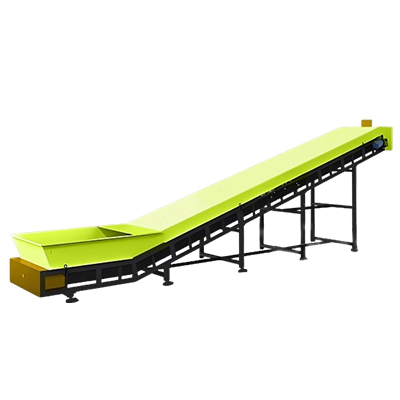
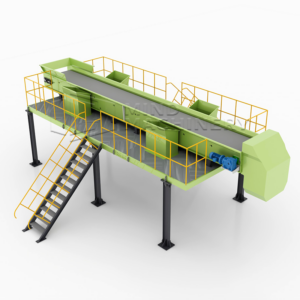
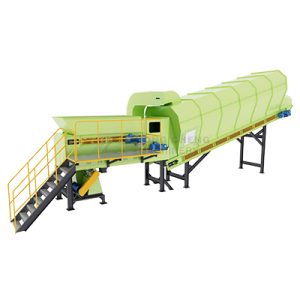
A belt conveyor is a fundamental and highly efficient mechanical system designed for the continuous transportation of materials over a fixed path. In the context of modern waste sorting facilities, it serves as the vital circulatory system, seamlessly moving light waste components such as paper, plastics, and lightweight packaging from one processing stage to the next. Its core principle is elegantly simple: a durable, flexible belt rotates endlessly over a series of rollers, carrying materials placed upon it from a loading point to a designated discharge point. This continuous movement is essential for maintaining the high-throughput, automated workflow required in Material Recovery Facilities (MRFs) and other industrial settings.
Product Details of Belt Conveyor
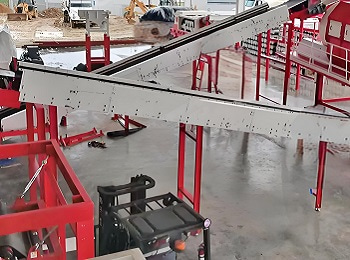
Belt conveyor is one of the carrying or transporting mechanisms of a recycling or waste management installation. Depending on the complexity of the waste materials mixture, the looping belt requires robust and durable properties to resist impact, wear and leaking of oil and grease.
With our flat and trough belt conveyors of the series, you get continuous conveyors of modular design with which you can transport various bulk materials safely. With a particularly resistant oil- and grease-resistant rubber belt, designed for maximum conveying capacity in continuous operation and the option of installing various belt cleaning, safety and monitoring systems, the flat- / trough belt conveyor is ideally suited for transporting a wide range of materials such as wood, biomass, waste, metals, plastics, substitute fuels, etc.
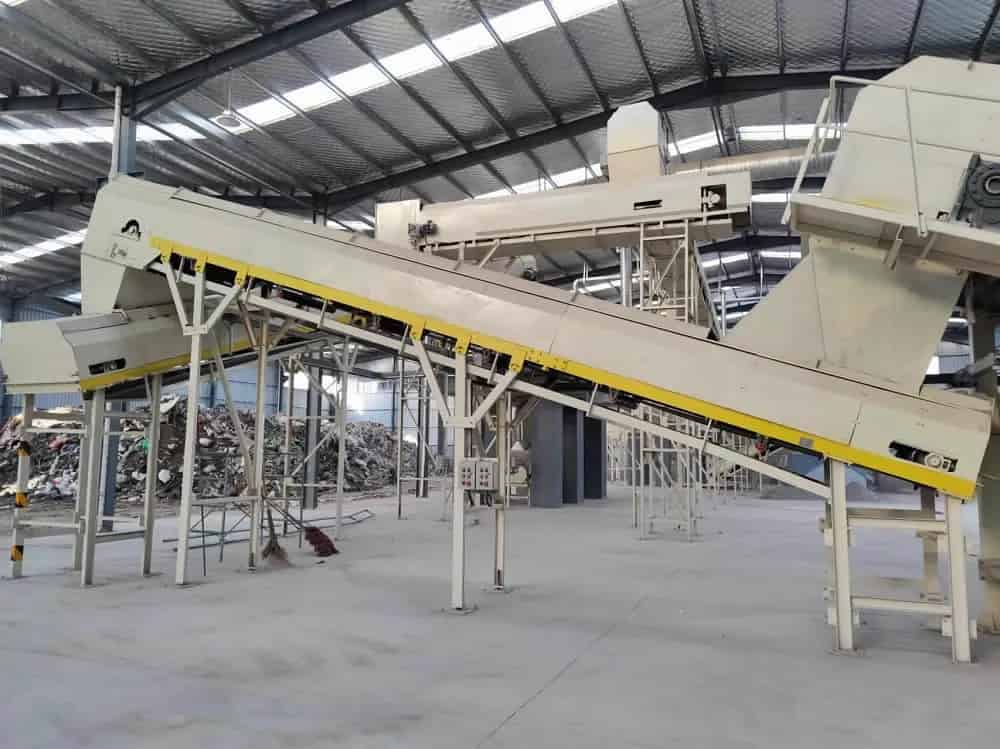
As waste materials build up across a distribution centre, our conveyor systems are engineered to fit around existing infrastructure so they remove the waste materials while keeping warehouse operations utterly free of disruption. Made from modular components, ZCH conveyor systems are built to last and run 24/7 in harmony with your operations.


Key Components:
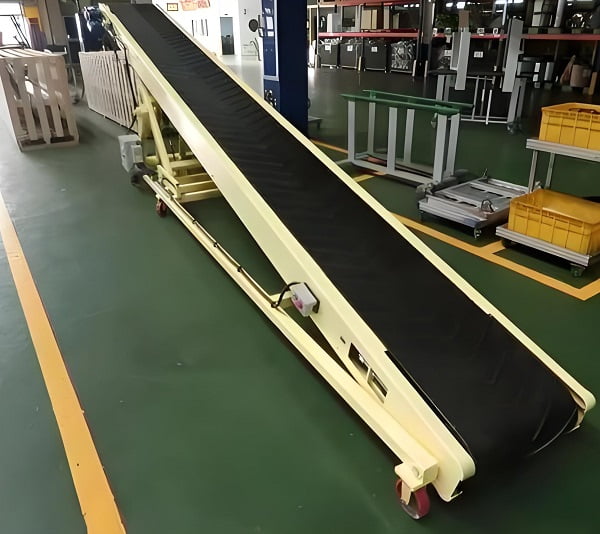
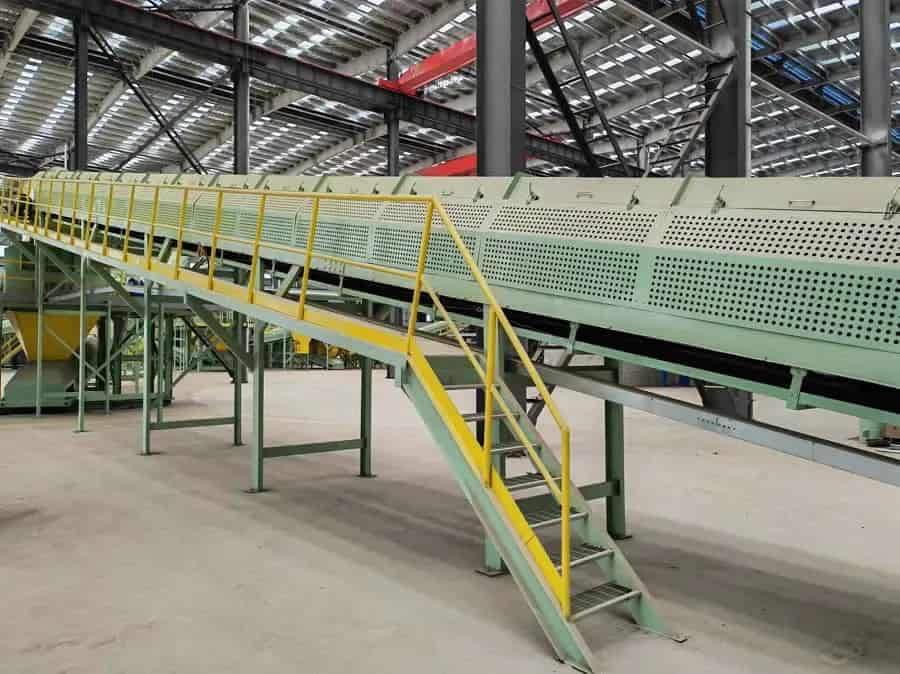
Belt conveyors are characterized by several key features that contribute to their widespread use. Their primary advantage is the ability to handle a vast range of material types and sizes over long distances with remarkable reliability and low energy consumption per ton of material moved. They operate with minimal noise and, when properly enclosed, can significantly control dust and debris, which is crucial in waste management environments. Modern belt conveyors can be inclined or declined to move materials between different floor levels, and their speed is easily adjustable to match the processing rate of upstream and downstream equipment, ensuring a balanced material flow throughout the sorting plant.

Characteristics of Belt Conveyor

Working Principle of Belt Conveyor
Operational Mechanism of Belt Conveyor
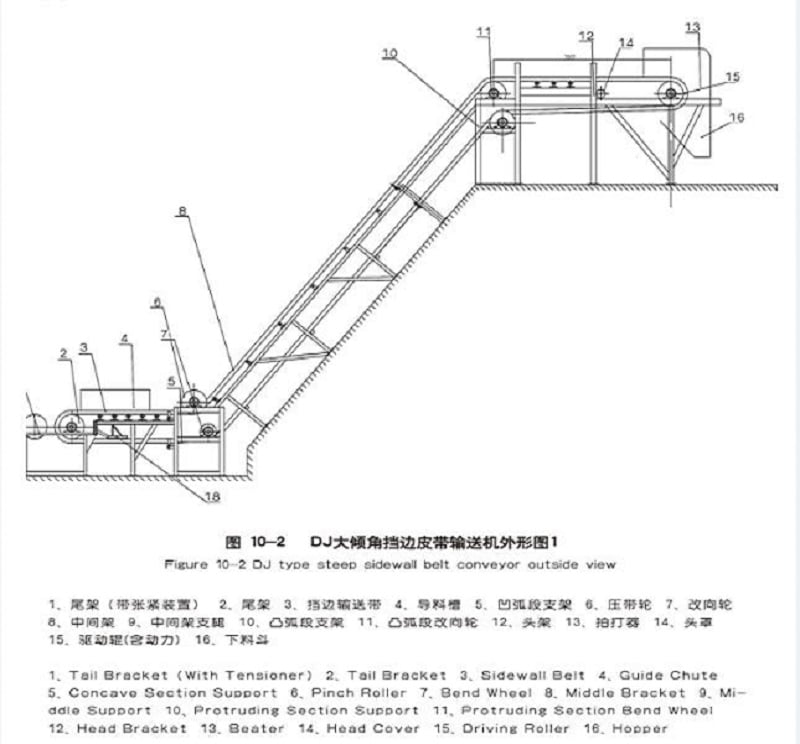
The operation of a belt conveyor is a continuous cycle of loading, transporting, and unloading. The process begins at the infeed or loading point, where light waste components are deposited onto the moving belt, typically from another conveyor, a shredder, or a screening machine. Once on the belt, the material is carried forward by the friction between itself and the moving belt surface. The powered drive pulley, connected to an electric motor via a gear reducer, provides the rotational force. This force is transmitted to the belt, causing it to move along its predetermined path. The belt’s carrying side is supported at regular intervals by troughing idler rollers, which are angled to form a shallow “U” shape, helping to center the load and prevent spillage.
As the belt reaches the end of its transport journey, it passes over the head pulley. The change in direction at this pulley causes the materials to be discharged off the belt, either by gravity into a chute, bin, or onto another processing machine. The now-empty belt then loops back on its return run, guided by return idlers, to complete the cycle back at the tail pulley. Tensioning devices, which can be manual or automatic, are crucial for maintaining the correct belt tension. Proper tension ensures sufficient grip on the drive pulley to prevent slippage and guarantees smooth tracking, preventing the belt from wandering off its rollers. This seamless, automated cycle enables non-stop material flow, which is the heartbeat of an efficient sorting line.

Benefits of Using Belt Conveyor
Parameters of Belt Conveyor
| Model | BC800 | BC1000 | BC1200 | BC1400 | BC1600 |
|---|---|---|---|---|---|
| Belt Width | 800mm | 1000mm | 1200mm | 1600mm | 1800mm |
| Length | optional | optional | optional | optional | optional |
| Max length(mm) | <1.2m/s | <1.2m/s | <1.2m/s | <1.2m/s | <1.2m/s |
| Max capacity (ton) | angle < 21° | angle < 21° | angle < 21° | angle < 21° | angle < 21° |
| Motor power(kw) | >3Kw | >3Kw | >3Kw | >3Kw | >3Kw |
Please feel free to leave a message.
We will reply you in 24 hours.
Optimize your production line with our robust chain plate conveyors. Designed for heavy loads and harsh environments, our conveyors ensure efficient material flow. Contact our engineers for a free design.
View detailsHeavy-duty double-shaft shredder for metal, plastic, tire & MSW recycling. High torque, low speed design for efficient size reduction.
View detailsRecycling finger screens excel at separating oversize material in construction & demolition (C&D), municipal solid waste (MSW) and scrap processing. Tapered, staggered finger decks ensure jam-free flow, maximum efficiency and reliable classification.
View detailsTurn municipal solid waste (MSW) into renewable fuel with our RDF making machine. Reliable performance for waste management plants.
View details