 hnmindgroup
Flip-Flow Screen
709Flip-flow screens solve clogging issues for wet, sticky materials. Boost throughput up to 30%, low maintenance. Get your free quote from HN Mind Group.
View detailsLearn how vibrating screen enhance the efficiency and accuracy of sorting materials.
A Manual Sorting Room is a dedicated, controlled workspace within a larger waste sorting and recycling facility, such as a Material Recovery Facility (MRF) or a Mechanical Biological Treatment (MBT) plant. While modern systems heavily rely on automated machinery like optical sorters and AI robots, certain tasks still require the precision and judgment of human workers. This room is specifically designed for staff to manually identify, pick, and separate specific types of waste or unwanted materials from the main waste stream. It acts as a critical quality control and refinement point in the recycling process.
The primary purpose of this room is to handle materials that automated systems might miss, find difficult to process, or incorrectly sort. For instance, workers might remove large contaminant items like textiles, hazardous waste, or specific plastic types that the machinery cannot yet accurately distinguish. It is a space where human expertise complements advanced technology, ensuring the purity of recovered materials like plastics, paper, and metals, which is essential for their value in the recycling market.
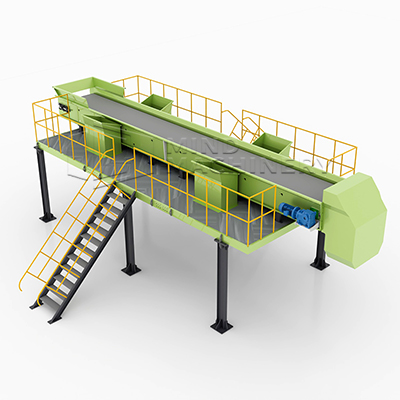
Product Details of Manual Sorting Platform
High-Efficiency Manual Sorting Platform for Waste Recycling Centers
In the garbage sorting, recycling and processing line, it is sometimes necessary to manually sort interference objects and specific types of garbage. The sorting room is an important part of the manual sorting station. The sorting workers carry out garbage sorting operations in the spacious and bright sorting room. The sorting room is equipped with good ventilation and air conditioning devices to ensure the sorting The personnel operate in a good working environment.
Key Features
Manual Sorting Platform are known for their precision and efficiency. Key features include:
Characteristics of Manual Sorting Platform
Working Principle of Manual Sorting Platform
Operational Mechanism of Manual Sorting Platform
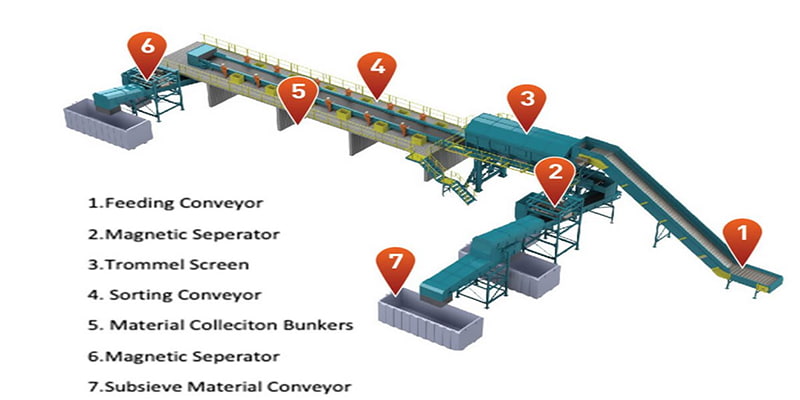
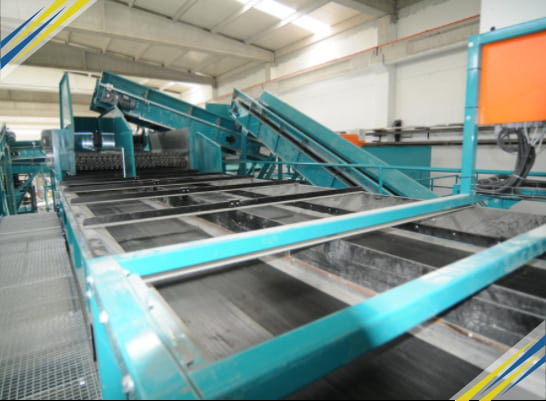
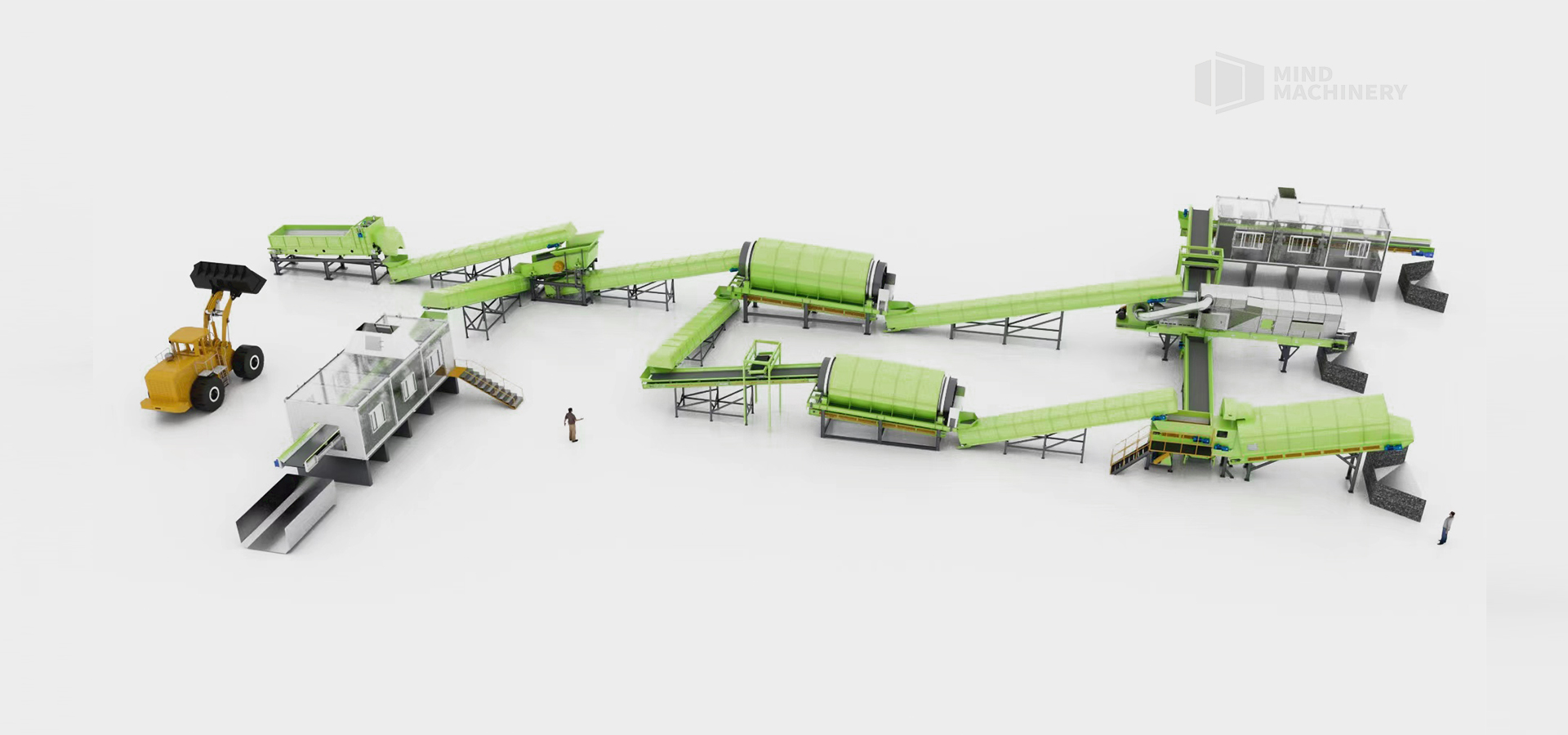
The operation of a Manual Sorting Room is integrated into the broader automated sorting line. After waste passes through initial stages like pre-shredding, bag opening, and screening by machines like trommels or ballistic separators, a targeted stream of material is directed to the manual sorting area. This stream is usually slower-moving and contains items that require human intervention. The material travels on a slow-moving conveyor belt that passes in front of several sorting stations where workers are positioned.
Each worker is trained to look for specific types of contaminants or valuable materials. As the conveyor belt moves, workers quickly scan the material, manually reach in, and pick out their assigned items. These items are then placed into separate chutes, bins, or onto adjacent conveyor belts that lead to dedicated collection points for different material types, such as a bin for film plastic or a chute for non-recyclable contaminants. The “cleaned” stream then continues on for further automated processing or is sent directly to baling for sale.
Applications of Manual Sorting Platform
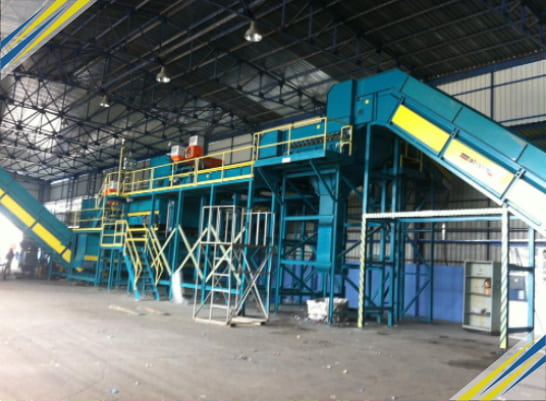
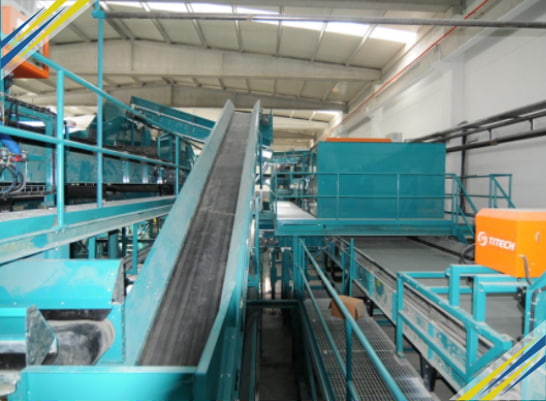
Manual Sorting Rooms are essential in several key areas of waste management. Their most common application is in Material Recovery Facilities (MRFs) for municipal solid waste. Here, workers perform critical quality control by removing contaminants that could jam machinery or reduce the value of bales of recyclables like cardboard, paper, and specific plastics. They are the last line of defense for ensuring the purity of the final product.
Common applications include:
Beyond standard MRFs, these rooms are vital in specialized recycling plants that process complex waste streams, such as electronic waste (e-waste) or construction and demolition debris. In e-waste recycling, for example, workers manually disassemble devices to remove batteries, circuit boards, and other hazardous or high-value components before shredding. They are also used in facilities that sort commercial and industrial waste, where the waste stream can be less uniform and contain more unexpected items that automation cannot reliably handle.
Benefits of Using Manual Sorting Platform
Implementing Manual Sorting Platform in material separation processes offers numerous benefits:
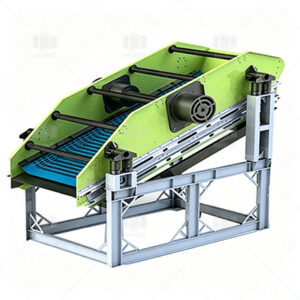
Flip-flow screens solve clogging issues for wet, sticky materials. Boost throughput up to 30%, low maintenance. Get your free quote from HN Mind Group.
View details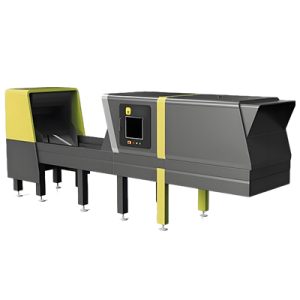
Optical sorters with AI cameras & sensors for plastics, metals, glass. 99% purity, high throughput, easy integration. Request specs & quote from HN Mind Group.
View details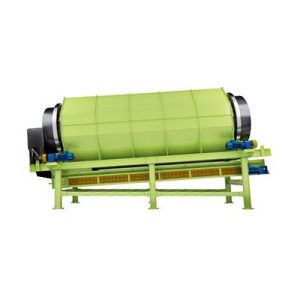
Heavy-duty trommel screen for waste, mining & recycling. High efficiency, low maintenance, custom drum sizes & liners. Get a free quote from HN Mind Group.
View details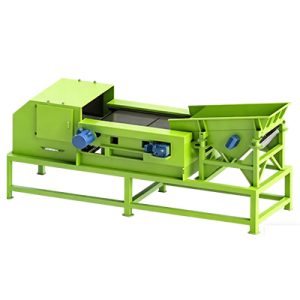
Eddy current separators for aluminum, copper & non-ferrous recovery. High field strength, low energy loss, durable. Get pricing & specs from HN Mind Group.
View details