 hnmindgroup
Optical Sorter
1006Optical sorters with AI cameras & sensors for plastics, metals, glass. 99% purity, high throughput, easy integration. Request specs & quote from HN Mind Group.
View detailsCombines multi-material handling, precision dosing & bulk feeding in one unit; cuts costs via modular design and seamless automation integration.
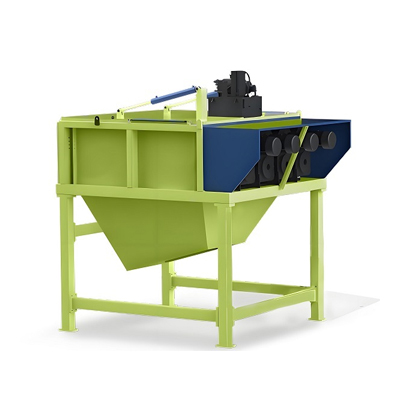
The multifunctional feeding device is a multifunctional, automated, and adjustable feeding device, commonly used in the pre-treatment process of discarded kitchen waste and food waste such as fruits, vegetables, and meat. The whole machine has a simple structure and can uniformly, continuously, and stably transport materials. It can also dehydrate wet garbage, achieving the effect of solid-liquid separation.
Product Details of Multifunctional Feeding Device
Variable frequency motor drive, energy-saving and low consumption, meeting the transportation of materials with different properties.
The vibratory feeder is widely used in industry feed to the crusher, sorting machinery, screening equipment, transport machinery, and packaging machinery.Designed for uniform conveying of bulk materials before coarse crusher in crushing and screening.
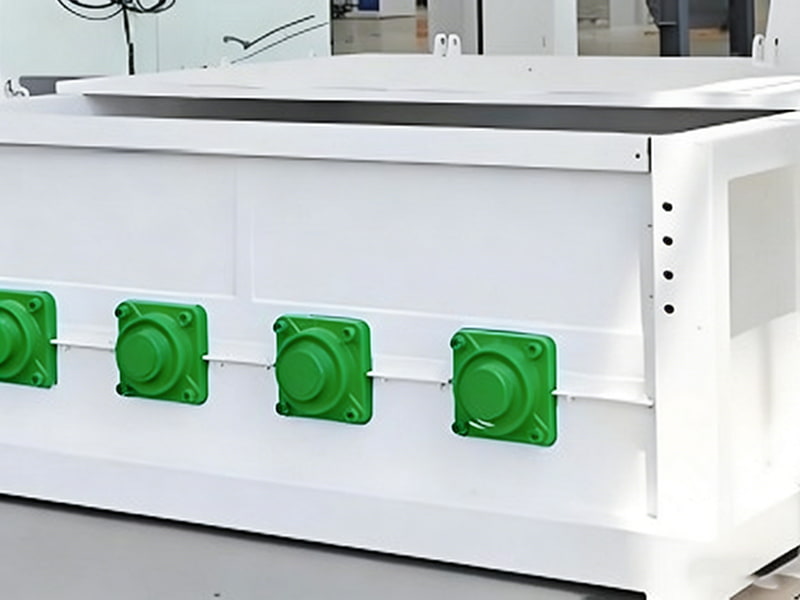
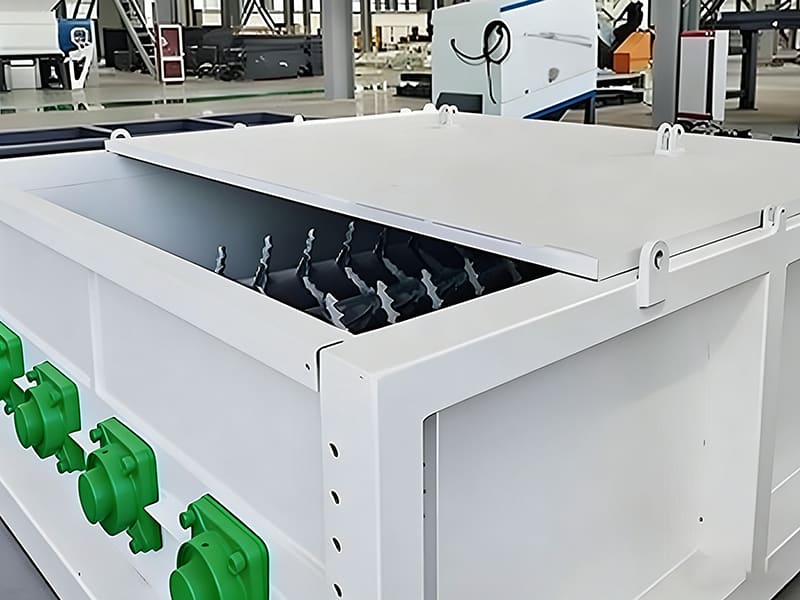
The feeder can be divided into steel plate and grating structures. The Steel Plate Structure Feeder is mostly used in sand and stone production. The material can be uniformly fed into the crushing equipment. The Grate Structure Feeder can coarse screen the material, makes the system more economical and reasonable, and has been used as essential equipment in crushing and screening.
Characteristics of Multifunctional Feeding Device
Working Principle of Multifunctional Feeding Device
Operational Mechanism of Multifunctional Feeding Device
The working principle of the multifunctional feeder mainly relies on the motor driving the rotor to rotate, allowing the material to enter the machine’s hopper. Then, through the rotation of the rotor and the vibration, ejection and other effects of the shell, the material is transported from the hopper to the target position.
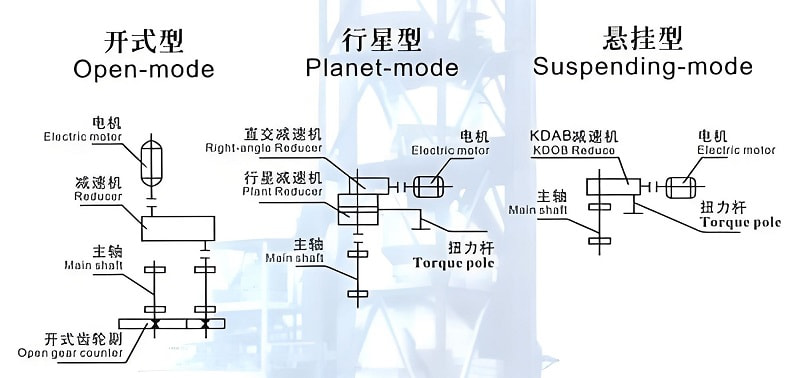
Specifically, its working principle can be divided into the following key steps:
Discharge port adjustment: The discharge port of the feeder can be adjusted according to different materials and conveying needs. By adjusting the size and opening degree of the discharge port, the flow rate and conveying speed of the materials can be controlled.
Rotation of rotor: The key component of the feeder is the rotor, which is generally composed of multiple spiral blades. After the electric motor starts, the rotor will begin to rotate at high speed.
Material entering the silo: The material will enter the silo through the feeding port of the feeder. Inside the silo, the material will be affected by the rotation of the rotor and the vibration of the shell, and begin to move towards the discharge port.
Material transportation: The material starts from the silo and is transported along the direction of rotation of the rotor. During this process, the material is pushed by the rotor blades and affected by the vibration of the shell, producing a motion trajectory similar to a spiral line.
Material discharge: When the material reaches the discharge port, it will be pushed out of the feeder and transported to the target position. Proper control of the size and opening degree of the discharge port can achieve precise control of material flow rate and conveying speed.
In addition, the multifunctional feeder also has some special functions, such as the ability to easily and continuously adjust the feeding amount by adjusting the thyristor opening angle, and can achieve centralized and automatic control of the production process. These functions make multifunctional feeders widely applicable in industrial production.
Benefits of Using Vibrating Feeder
Implementing Vibrating Feeder in material handling processes offers numerous benefits:
Parameters of Vibrating Feeder
| Model | Capacity (m³/h) | Power (kW) | Volume (m³) |
|---|---|---|---|
| Vibrating Feeder | 10-30 | 11-44 | 5-20 |
*The output will vary according to different materials, feed particle size and other factors
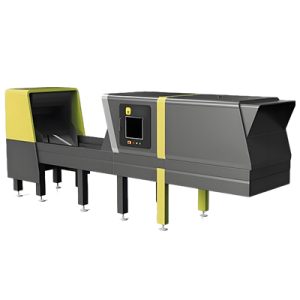
Optical sorters with AI cameras & sensors for plastics, metals, glass. 99% purity, high throughput, easy integration. Request specs & quote from HN Mind Group.
View details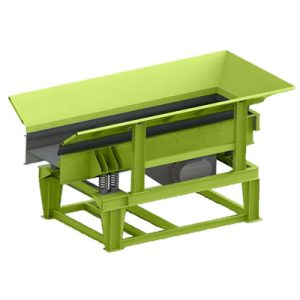
Vibrating feeders supply bulk material with adjustable amplitude. Low noise, energy-saving, ideal for crushing & screening plants. Get quote from HN Mind Group.
View details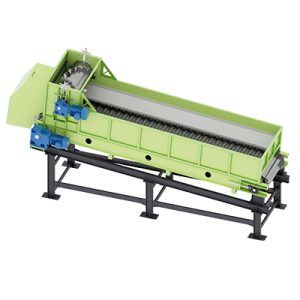
Chain plate conveyors for heavy loads and harsh environments. Robust steel, efficient flow, custom design. Contact engineers for layout from HN Mind Group.
View details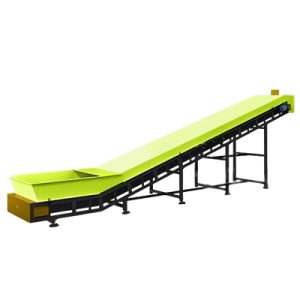
Belt conveyors for mining, warehouse & recycling lines. Custom length, width & speed for stable bulk transport. Get your free quote from HN Mind Group.
View details