 hnmind
SEARCH
Search Product
Search Post
— 葡萄酒 | 威士忌 | 白兰地 | 啤酒 —
— 葡萄酒 | 威士忌 | 白兰地 | 啤酒 —
Building a green ecosystem to empower the future of energy
Refuse-Derived Fuel (RDF) and Solid Recovered Fuel (SRF) systems are advanced waste-to-energy technologies that convert non-recyclable solid waste into high-quality, usable solid fuels, serving as sustainable alternatives to fossil fuels and reducing landfill dependency.
What is Refuse-Derived Fuel & Solid Recovered Fuel System?
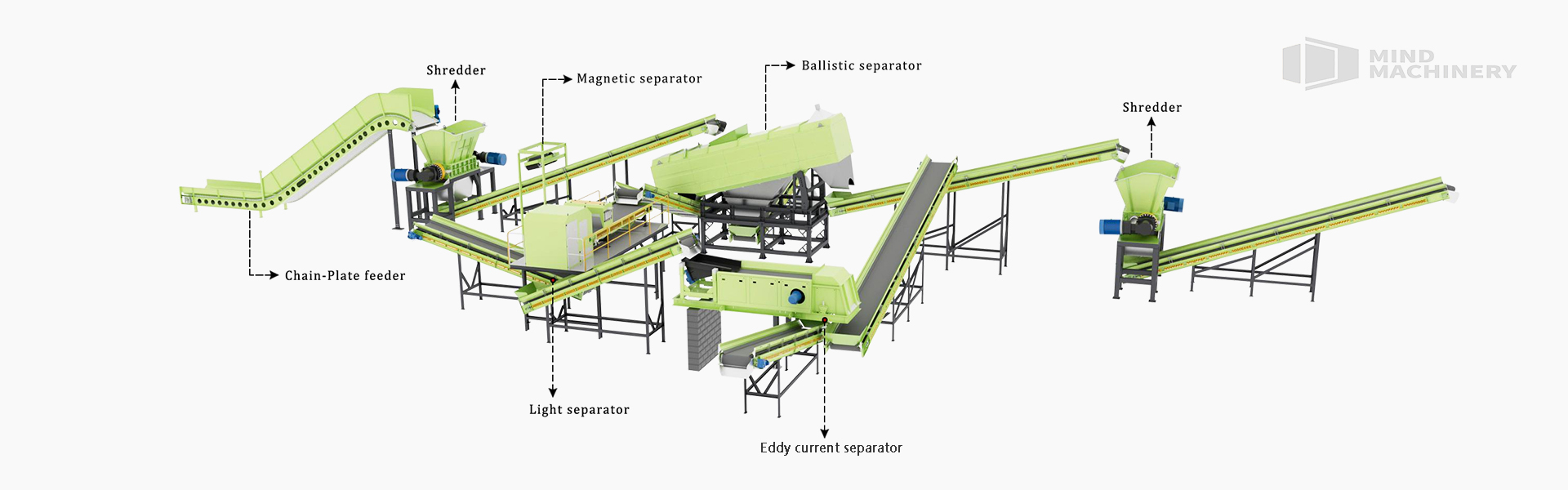
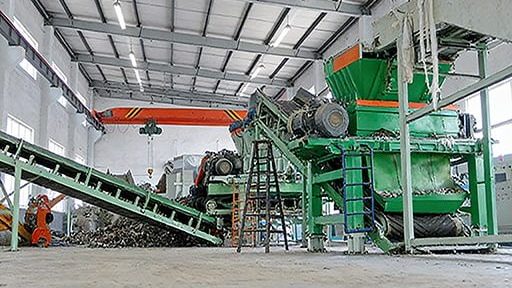
RDF (Refuse-Derived Fuel) Production Line is an integrated waste-to-energy system that converts municipal solid waste (MSW), industrial waste, or other combustible residues into a high-calorific, uniform solid fuel (RDF) through mechanical processing. It is a core technology for sustainable waste management and circular economy, widely used in power plants, cement kilns, and industrial boilers.
The system processes mixed municipal solid waste (MSW), commercial waste, or industrial waste through a series of mechanical and automated sorting steps. Recyclables and inert materials are removed, while combustible fractions such as plastics, paper, textiles, and wood are separated, shredded, dried, and homogenized to produce consistent fuel with controlled particle size and calorific value.
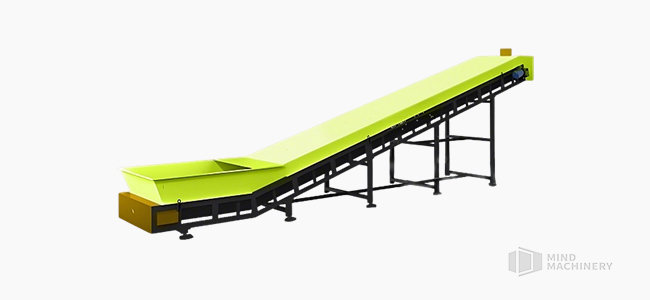
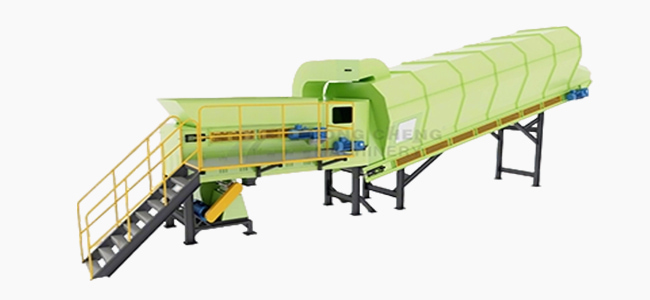
It efficiently moves raw waste, shredded materials, and finished fuel between processing units such as shredders, screens, separators, and storage areas. By automating material flow, it reduces manual handling, improves overall production efficiency, and ensures smooth operation of the entire line. Reliable and easy to maintain, belt conveyors support consistent output and help guarantee the quality of final RDF and SRF products.
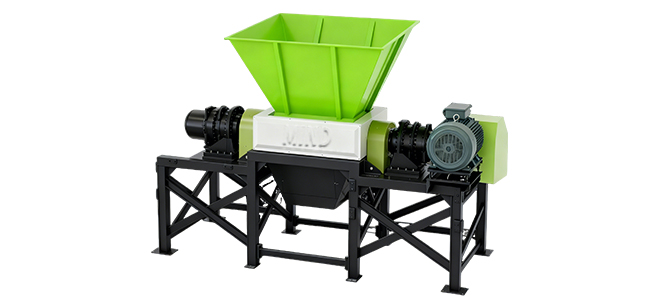
Double-Shaft Shredder–Primary Shredding
Primary Shredding serves as the initial size‑reduction unit. It shreds bulky municipal solid waste into relatively uniform small pieces, reduces material volume, and improves material flowability. This step ensures stable and efficient feeding for downstream sorting, screening, and further processing, laying a solid foundation for producing high‑quality RDF/SRF.
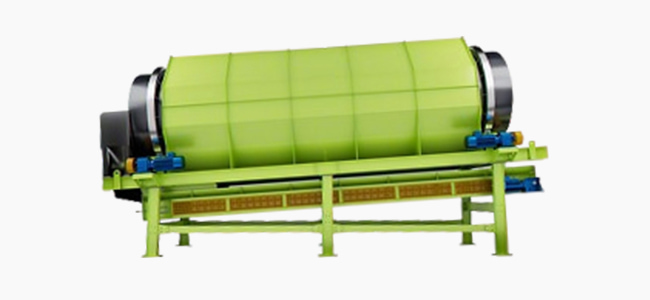
It separates raw or pre‑shredded waste into different particle sizes by rotating drum motion. Small inert materials like soil, stones, and glass are removed early, while qualified medium‑sized materials pass to downstream sorting and processing. This improves material purity, optimizes subsequent treatment efficiency, reduces equipment wear, and helps ensure stable production of high‑quality RDF/SRF.
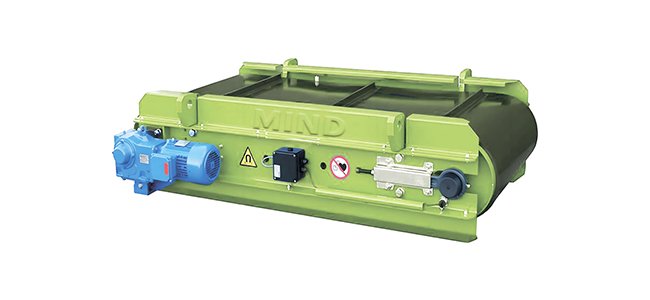
Magnetic separators remove ferrous metals like iron and steel from waste. They protect shredders and other equipment from damage, reduce contamination, and improve fuel quality. Removing metals ensures safer, more efficient combustion, lowers harmful emissions, and produces cleaner, more valuable RDF/SRF for energy recovery. This step is essential for stable operation and high-quality fuel production.
Wind sifter uses controlled air flow to separate light organic fractions from heavy inert materials. It sorts lightweight combustible materials such as plastics, paper and textiles from heavy non-combustibles like stones, glass and metals. This upgrading step improves fuel homogeneity, heating value and quality of the final SRF/RDF product. It optimizes combustion efficiency, reduces ash content and supports stable energy recovery in waste-to-energy processes.
Double-Shaft Shredder-Secondary shredding
The double‑shaft secondary shredder further reduces pre‑shredded waste into uniform, small particles. It ensures consistent particle size, improves fuel homogeneity, and enhances heating value. This step also loosens mixed materials for easier separation in downstream sorting processes. Stable particle size supports better combustion efficiency, reduces blockages, and helps produce high‑quality RDF/SRF for reliable energy recovery.
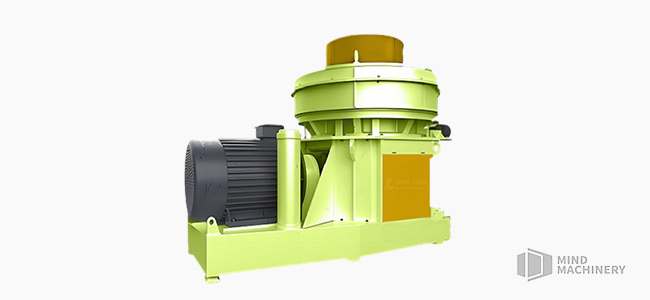
RDF pelletizing machine compresses processed waste into dense, uniform pellets. It improves fuel stability, heating value, and storage efficiency while reducing dust and volume. Uniform pellets ensure smooth feeding, stable combustion, and higher energy efficiency in waste-to-energy plants. This step upgrades RDF into a cleaner, more transportable and marketable fuel, supporting reliable and eco-friendly waste-to-energy production.
Please feel free to leave a message.
We will reply you in 24 hours.
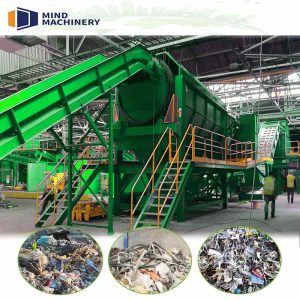
Maximize recycling rates with our advanced MSW sorting production line. Automatic separation of plastics, metals & organics. Durable, eco-friendly & cost-effective.
View details