 hnmindgroup
How to Size a Ballistic Separator: Throughput, Bulk Density and Feed Conditions
184Learn how throughput, bulk density, peak loads, feed conditions and separation targets determine the correct ballistic separator size for your plant.
View detailsWith continued population growth, the waste problem is becoming increasingly urgent and complex. While improved recycling technologies can reduce a significant portion of waste, a large portion of municipal solid waste still ends up in landfills. Landfilling means a waste of resources. Moreover, hazardous toxins leach into soil and water, producing emissions of methane (CH4) and carbon dioxide (CO2), contributing to climate change.
Converting municipal solid waste (MSW) into Refuse-Derived Fuel (RDF) has become a key strategy for sustainable waste management.
Modern RDF production lines enable efficient waste sorting, shredding, drying, and densification to produce high-calorific alternative fuel widely used in cement kilns and power plants.
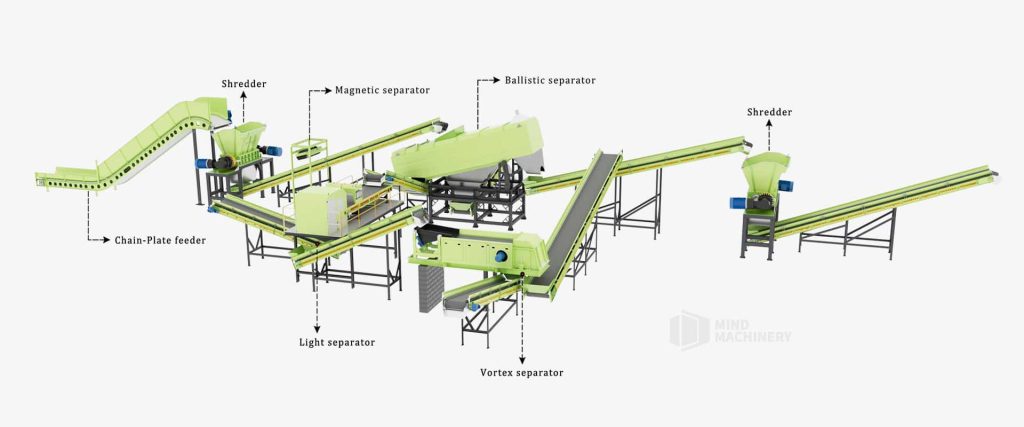
RDF (Refuse-Derived Fuel) Production Line is an integrated waste-to-energy system that converts municipal solid waste (MSW), industrial waste, or other combustible residues into a high-calorific, uniform solid fuel (RDF) through mechanical processing. It is a core technology for sustainable waste management and circular economy, widely used in power plants, cement kilns, and industrial boilers.
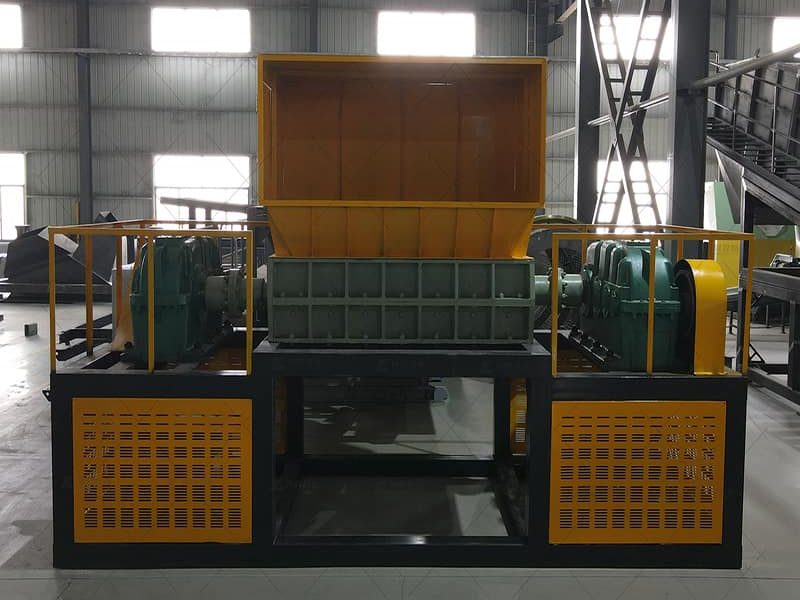
Producing Standard RDF (Refuse-Derived Fuel) is a sophisticated waste management process that transforms municipal solid waste (MSW) or industrial waste into a high-energy, homogenized fuel source. The goal is to remove non-combustibles and concentrate the caloric value.
Here is the standard production process broken down into its core stages:
1. Pre-Treatment & Initial Sorting
The process begins with the arrival of raw waste. The primary goal here is to remove large, bulky items and hazardous materials that could damage the machinery.
2. Size Reduction (Primary Shredding)
To make the sorting process efficient, the waste must be uniform in size.
3. Screening and Classification
This stage separates the waste by size and weight to isolate the “high-caloric” fraction (plastics, paper, wood).
4. Metal Recovery
Removing metals is crucial to protect the final boilers and to recover valuable recyclable materials.
5. Secondary Shredding (Fine Shredding)
The material is further refined to meet the specific requirements of the end-user (usually cement kilns or power plants).
6. Drying and Pelletizing (Optional)
Depending on the moisture content and the desired energy density:
Refuse-Derived Fuel (RDF) production lines are essential in modern waste management, turning municipal solid waste (MSW) into high-value energy.
The biggest shift in 2026 is the integration of AI-powered optical sorters. These systems use Near-Infrared (NIR) sensors to identify and remove PVC and other chlorine-containing plastics in real-time. This ensures the final RDF product has a high calorific value (averaging 18-25 MJ/kg) while remaining compliant with environmental emission standards.
“Standardization is the bridge between waste management and energy production,” says a leading industry analyst. “A certified RDF line doesn’t just process waste; it manufactures a precise industrial fuel.”
Investing in Refuse-Derived Fuel (RDF) is a strategic move that turns a waste problem into a profitable energy solution. Here is the condensed version of why it’s a smart investment today:
1. High Profitability (Dual Revenue)
RDF production offers a unique double-income model:
2. Regulatory & Economic Pressure
3. Energy Independence
4. Environmental Leadership
Henan Mind Machinery Equipment Co., Ltd. is a pioneer in sustainable waste-to-energy solutions. Our Standardized RDF Production Lines are engineered for durability, efficiency, and maximum resource recovery, helping clients worldwide turn environmental challenges into economic opportunities.
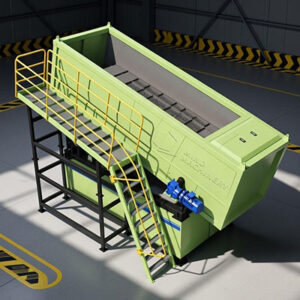
Learn how throughput, bulk density, peak loads, feed conditions and separation targets determine the correct ballistic separator size for your plant.
View details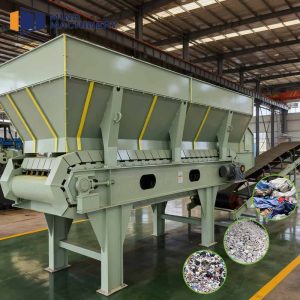
Chain plate feeder delivers steady, even feed to waste sorting lines. Robust steel build, low maintenance, adjustable speed. Get free quote from HN Mind Group.
View details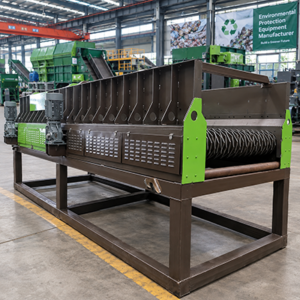
Disc screen vs trommel: compare screening efficiency, clogging and upkeep for lines. Find right star screen for your plant. Free quote from HN Mind Group.
View details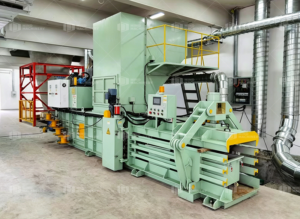
Practical guide for recycling businesses on choosing the right waste paper baler: capacity, bale size, power & ROI. Get expert advice from HN Mind Group.
View details