 hnmindgroup

RDF Production Line: Helpful Tool for Urban Waste Resource Utilization
614RDF production line turns solid waste into refuse-derived fuel. Stable output, low energy use, automated control. Free quote & plant design from HN Mind Group.
View detailsA practical guide to ballistic separation, material fractions, and its role in waste sorting and recycling.
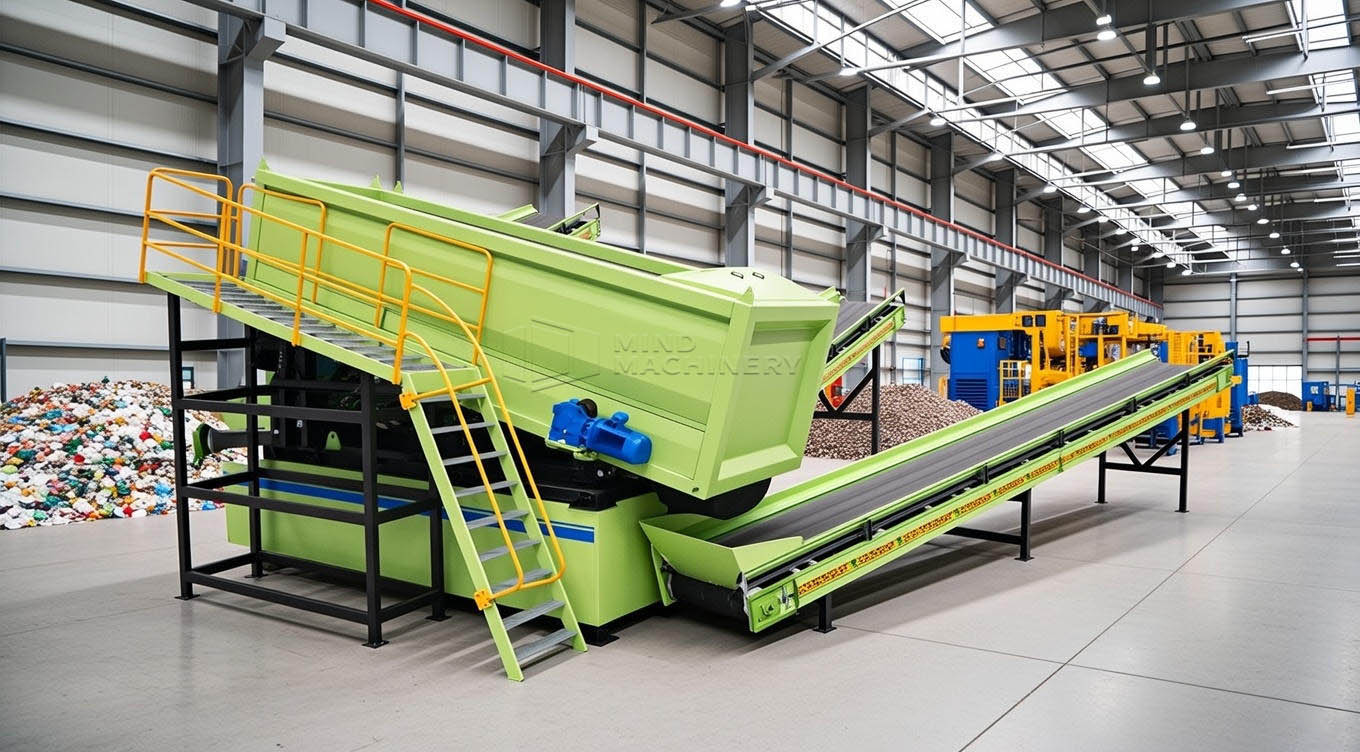
Mixed waste often contains plastic films, paper, bottles, cans, and small debris in the same material stream. Separating these materials by size alone does not fully address their differences. A piece of film and a plastic bottle may have similar dimensions, yet behave very differently during sorting.
A ballistic separator uses these differences in shape and movement to divide mixed materials into distinct streams. Typically, it produces a flat 2D fraction, a rolling 3D fraction, and a fine fraction that passes through screen openings.
For recycling facilities, understanding this process helps explain where ballistic separation fits into a sorting line—and what it can realistically achieve.
A ballistic separator is a mechanical sorting machine that combines the movement of an inclined screening deck with screening through perforations.
As the deck moves, materials bounce, roll, slide, or travel along its surface. Their shape, rigidity, and interaction with the deck influence the direction they take. Smaller particles can pass through the screen openings, creating a separate fines stream.
This allows a typical ballistic separator to perform two functions within one machine: separate materials according to their physical behavior and remove an undersize fraction.
In waste sorting, “2D” and “3D” describe material shape and behavior. They do not refer to dimensional scanning or image measurement.
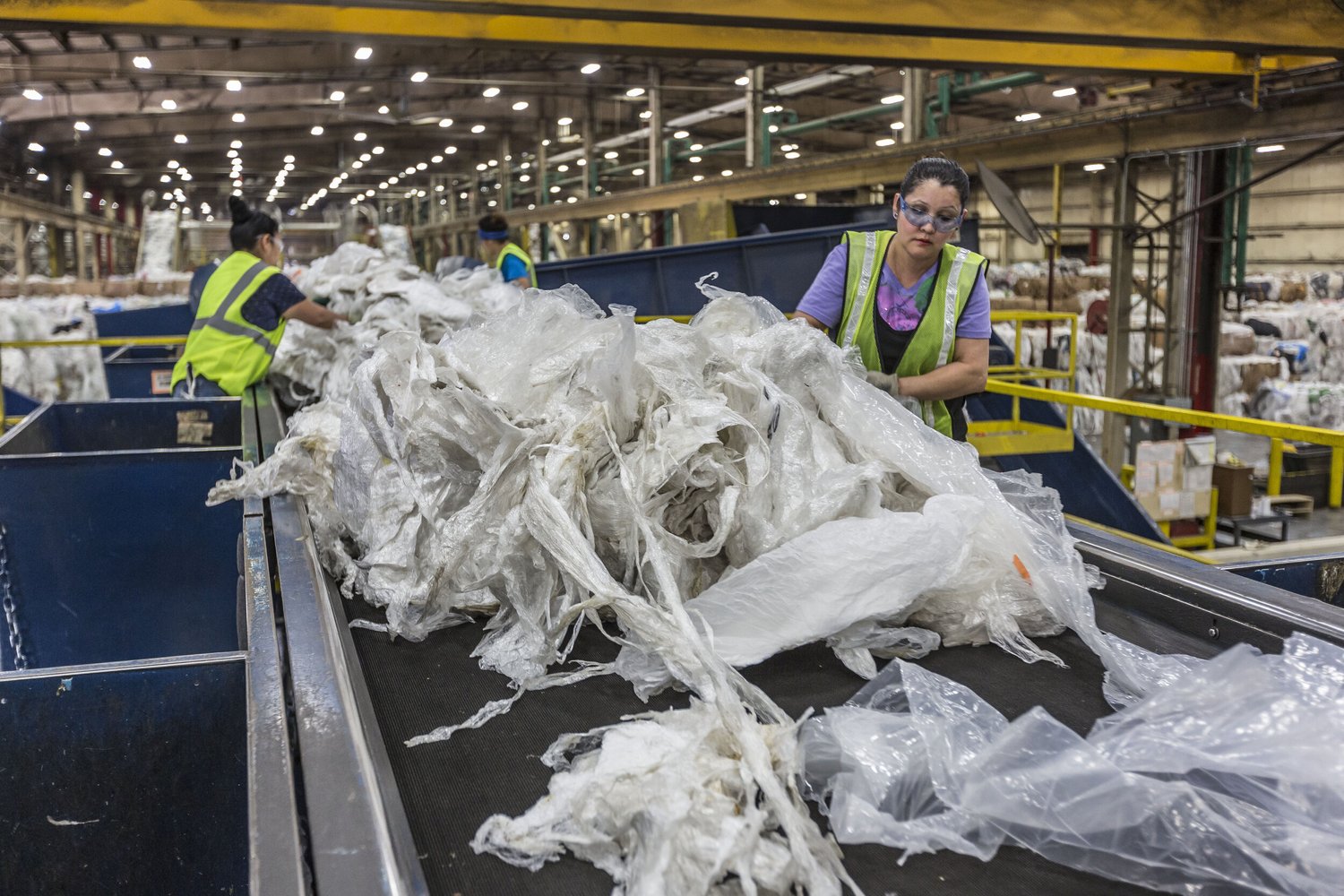
The 2D fraction generally includes flat, sheet-like, or flexible materials, such as:
These items tend to maintain broader contact with the screening surface and are less likely to roll freely than intact containers.
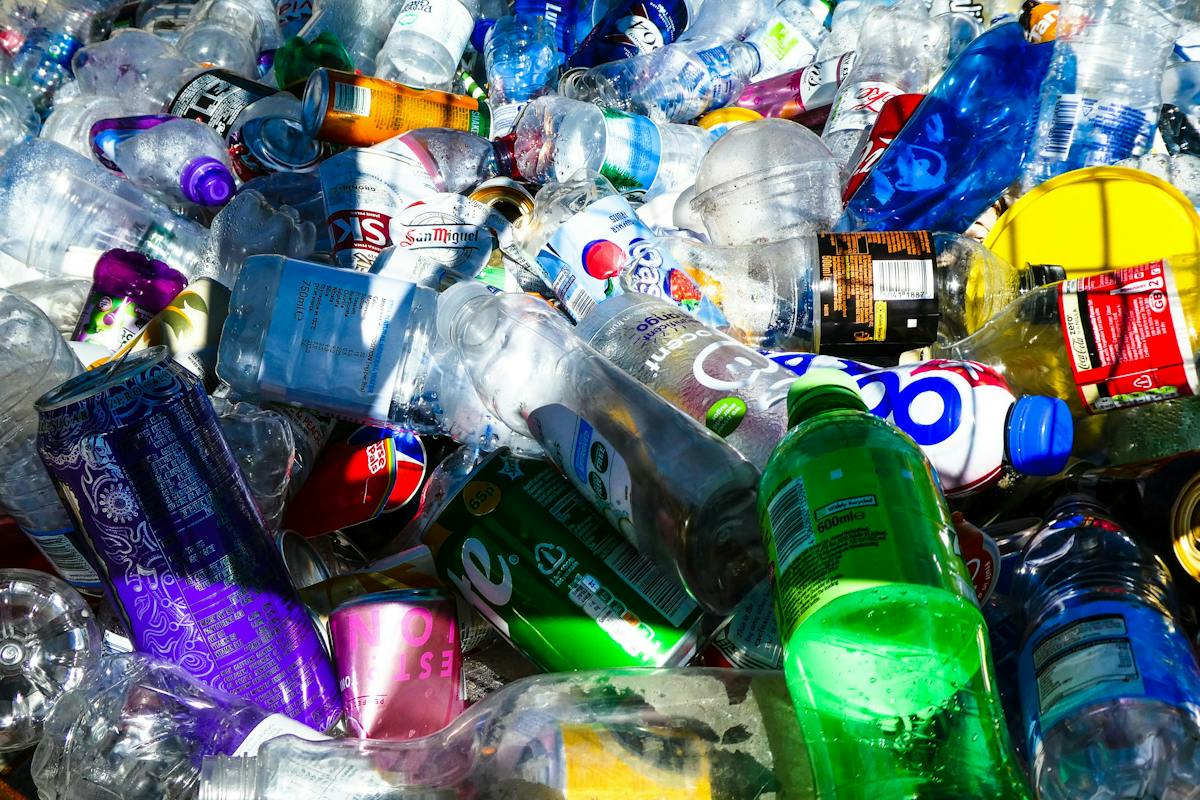
The 3D fraction generally includes objects that retain a three-dimensional shape and can roll or bounce, such as:
Material condition matters. A flattened plastic bottle may behave differently from an intact one, even though both are made from the same material.
Ballistic separation therefore separates by physical behavior rather than identifying material composition. Plastic film and plastic bottles can enter different output streams, while paper and film may remain together in the 2D fraction.
In a typical inclined-paddle design, the process starts when mixed material is fed onto the moving screening deck.
The deck’s repeated motion agitates the material and exposes individual items to the screening surface. As this continues, different material types develop different movement patterns.
Flat and flexible 2D materials generally travel toward the higher end of the deck. Rolling and bouncing 3D objects tend to move toward the lower end under the combined influence of gravity and deck motion. Meanwhile, particles small enough to pass through the perforations fall beneath the deck.
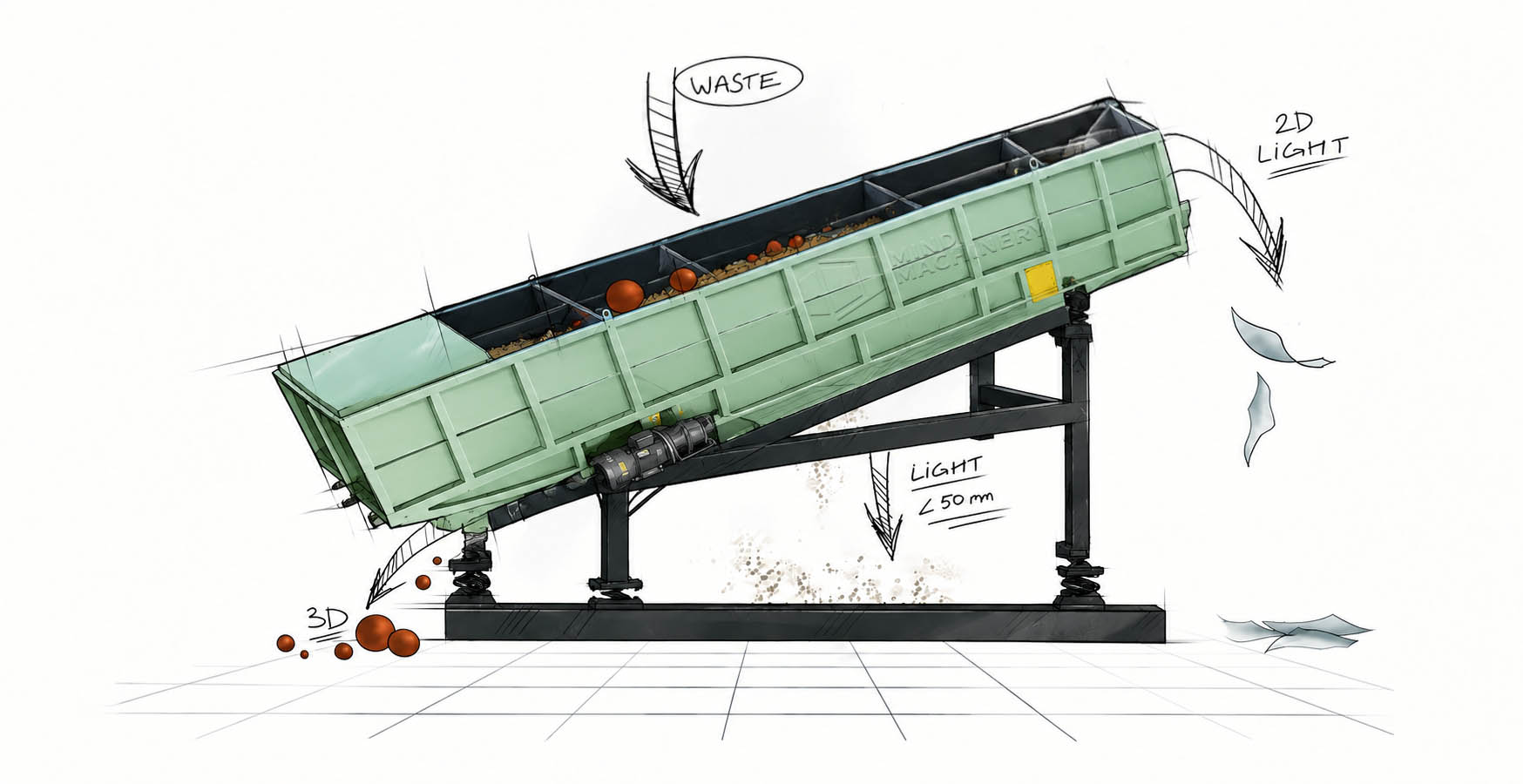
The result is three output streams:
| Output | Typical characteristics | Separation basis |
|---|---|---|
| 2D fraction | Flat or flexible items | Interaction with the moving deck |
| 3D fraction | Rigid, rolling, or bouncing objects | Rolling and ballistic behavior |
| Fine fraction | Material passing through the screen openings | Particle size and ability to pass through |
Exact deck arrangements and discharge configurations vary by machine design. The underlying principle is to use different movement patterns to separate the incoming material.
Recycling usually requires several sorting stages. When film, paper, bottles, cans, and fines remain mixed together, each downstream stage must handle a broad range of material shapes.
Separating the feed into distinct fractions allows the next stages to be designed around more specific material characteristics.
For example, the flat fraction can follow a treatment route suited to paper and film, while the container-rich fraction can proceed to equipment selected for recovering bottles and metals. The appropriate arrangement depends on the facility’s feedstock and recovery targets.
However, a ballistic separator does not normally produce finished, single-material products by itself. The 2D fraction may still contain both paper and plastic film, and the 3D fraction may contain different plastics and metals. Further sorting is usually needed to separate these materials by composition.
Its role is to prepare and divide the material stream so that subsequent recovery stages can work with more suitable feed conditions.
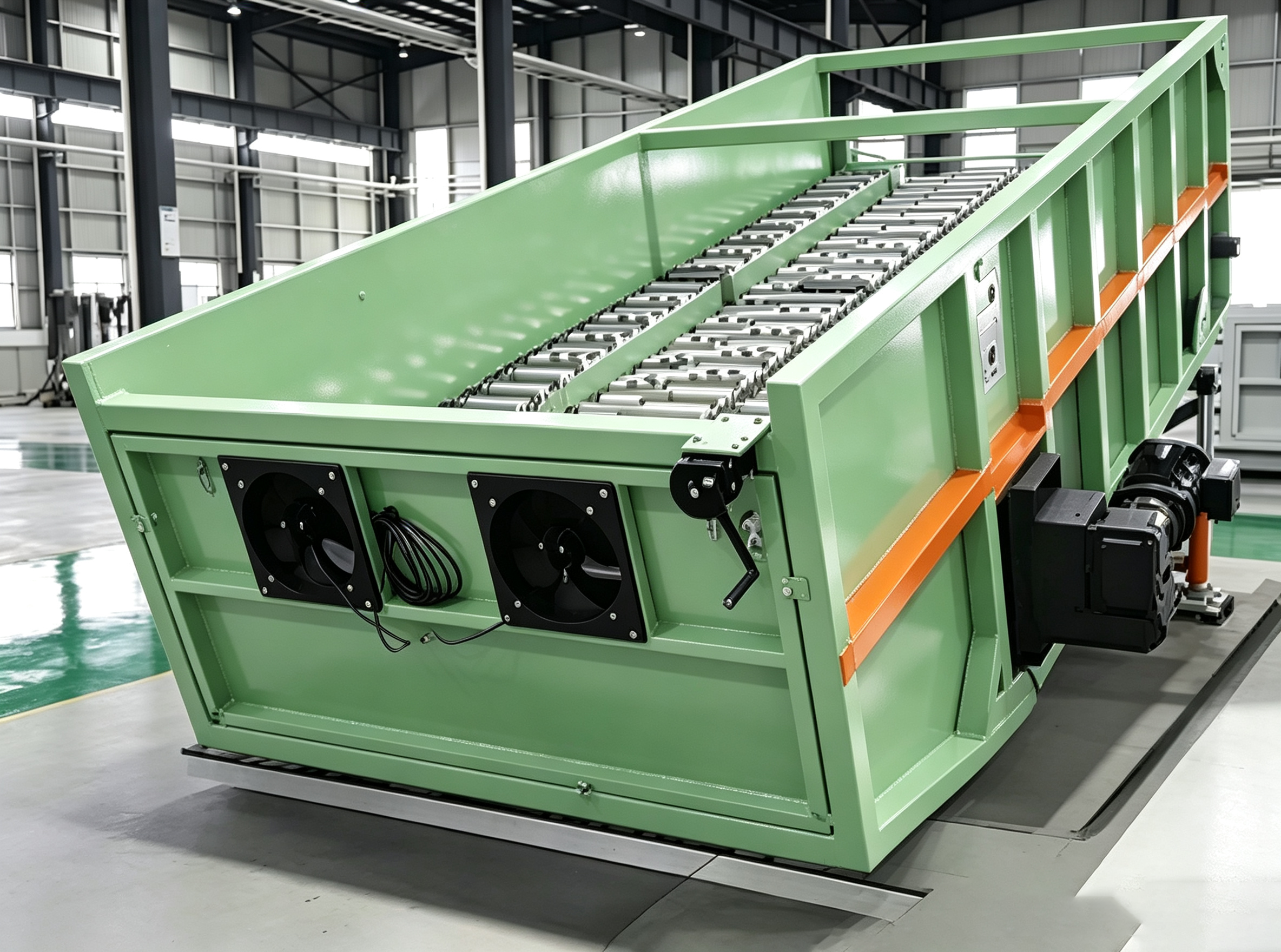
Ballistic separators are used in applications involving mixtures of flat materials, rigid objects, and fines. Common examples include:
Manufacturers offer different configurations for different feedstocks, so suitability should be assessed against the actual incoming material rather than the waste category alone.
A material stream containing mostly intact containers presents different sorting conditions from one containing heavily flattened packaging, wet paper, or materials stuck together. Representative feed samples are therefore important when evaluating a machine.
Separation performance depends on the interaction between the feed material, machine configuration, and operating conditions.
An even feed helps individual items reach the screening surface. Excessive material depth or concentrated feeding can cause items to travel together, increasing the risk of material entering the wrong fraction. For more on upstream feeding, see our guide to chain plate feeders for waste sorting systems.
Flattening, tearing, moisture, and adhesion can change how an item behaves. A wet sheet attached to a container may travel with that container instead of separating independently.
The openings determine which particles can enter the fine fraction. Their selection should reflect the intended size cut and the materials that need to remain on the deck for further separation.
Available adjustments vary by model. Settings should be matched to the feedstock, while screen cleanliness and component condition should be checked as part of routine operation.
Rather than relying on a universal efficiency claim, facilities should evaluate performance using representative material tests. Useful measurements include the composition of each output stream, target-material purity, and recovery rate.
A ballistic separator is worth evaluating when the process needs to separate flat, flexible materials from rolling, rigid objects while also removing fines.
Before selecting equipment, define the incoming material, the required output fractions, and the downstream treatment route. These requirements provide a basis for discussing capacity, screen configuration, installation needs, and testing with an equipment supplier.
When matched to the feedstock and process objectives, a ballistic separator can provide an effective intermediate step between mixed-waste input and more targeted material recovery.
It separates materials by shape and movement, not composition. Further sorting is needed to separate paper, plastics, and metals.
Moisture and adhesion can affect separation. Testing representative material helps confirm suitability and any pretreatment needs.
No. Flattened bottles may behave like 2D materials, depending on their shape and rigidity.
Options vary by model. Screen openings should match the desired fines separation and material recovery goals.
Provide material composition, throughput, size range, moisture condition, and target outputs. Photos or samples help assess suitability.

RDF production line turns solid waste into refuse-derived fuel. Stable output, low energy use, automated control. Free quote & plant design from HN Mind Group.
View details
Practical guide for recycling businesses on choosing the right waste paper baler: capacity, bale size, power & ROI. Get expert advice from HN Mind Group.
View details
Disc screen vs trommel: compare screening efficiency, clogging and upkeep for lines. Find right star screen for your plant. Free quote from HN Mind Group.
View details
Chain plate feeder delivers steady, even feed to waste sorting lines. Robust steel build, low maintenance, adjustable speed. Get free quote from HN Mind Group.
View details